 Tel: +86 13342660375
  E-mail:

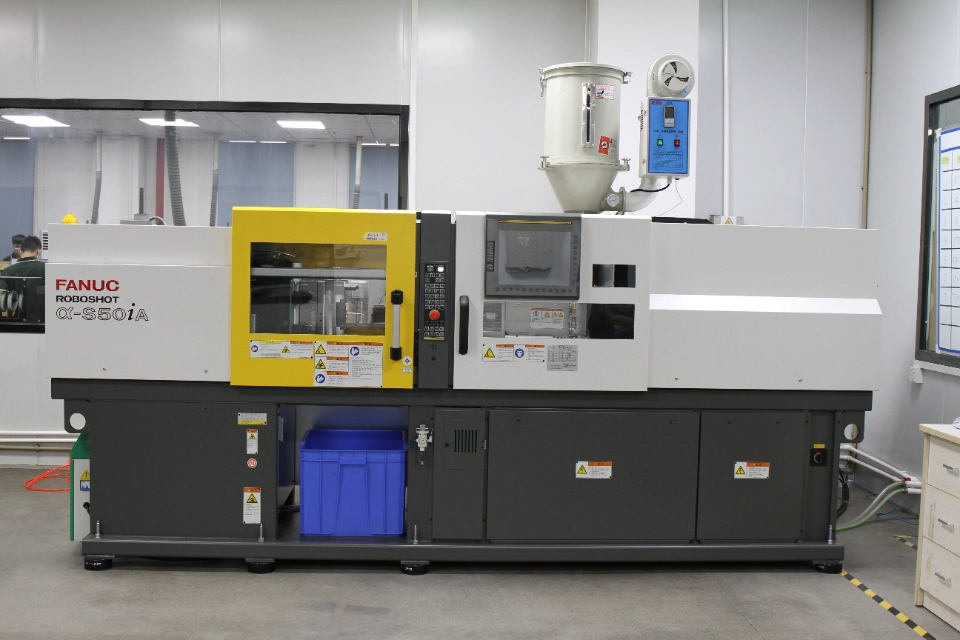
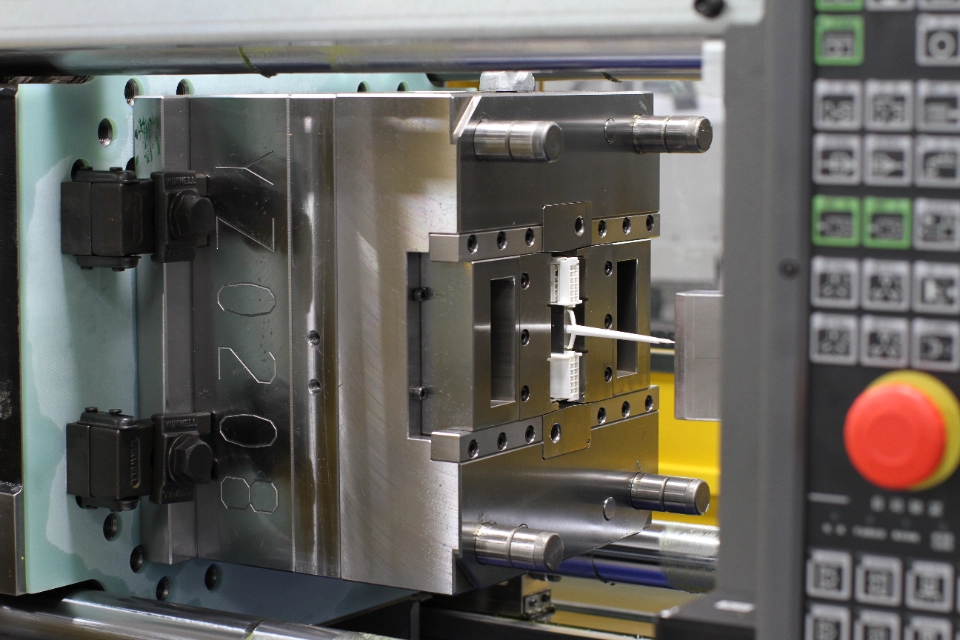
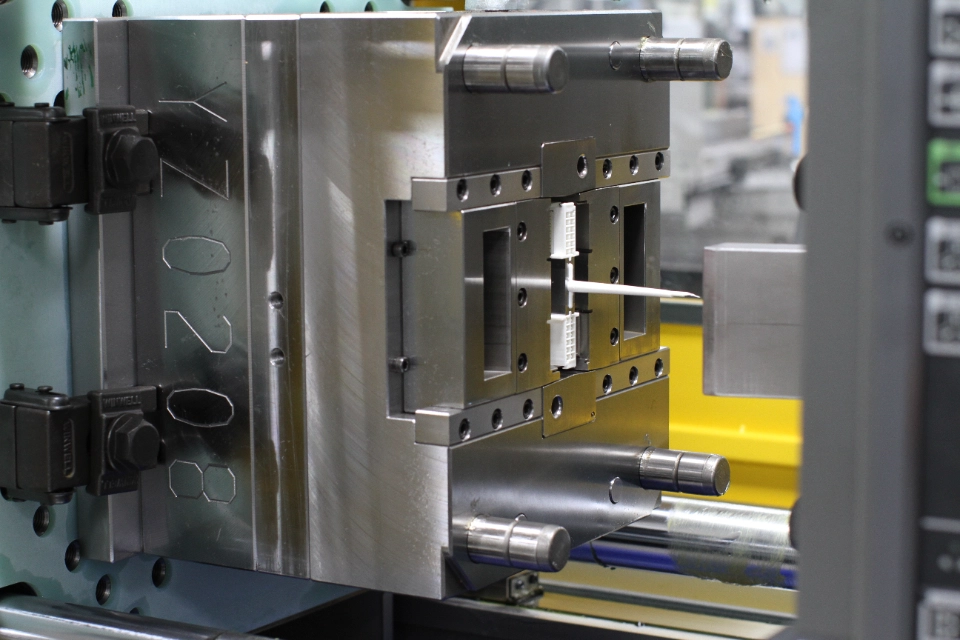
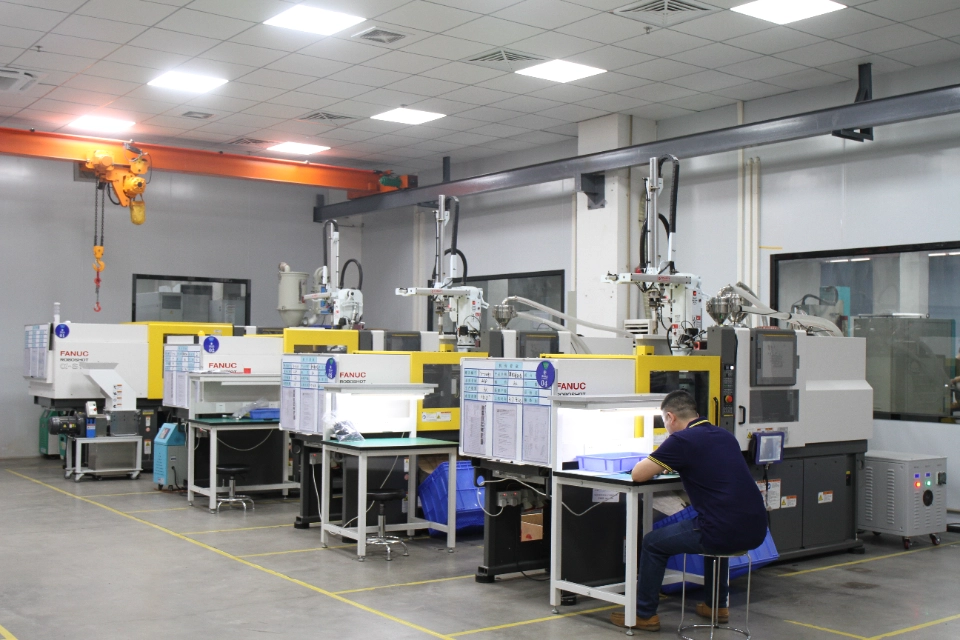
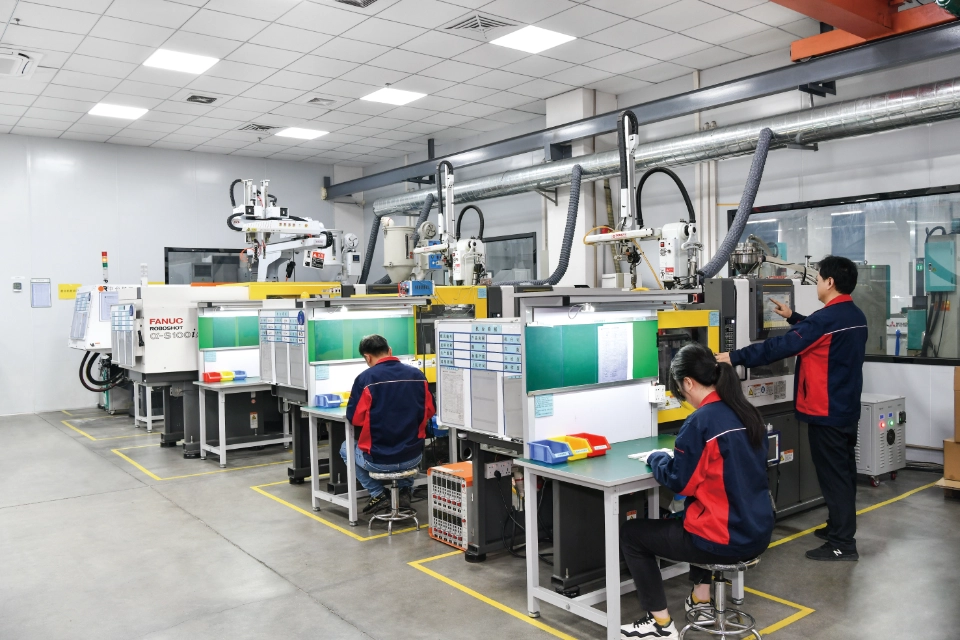
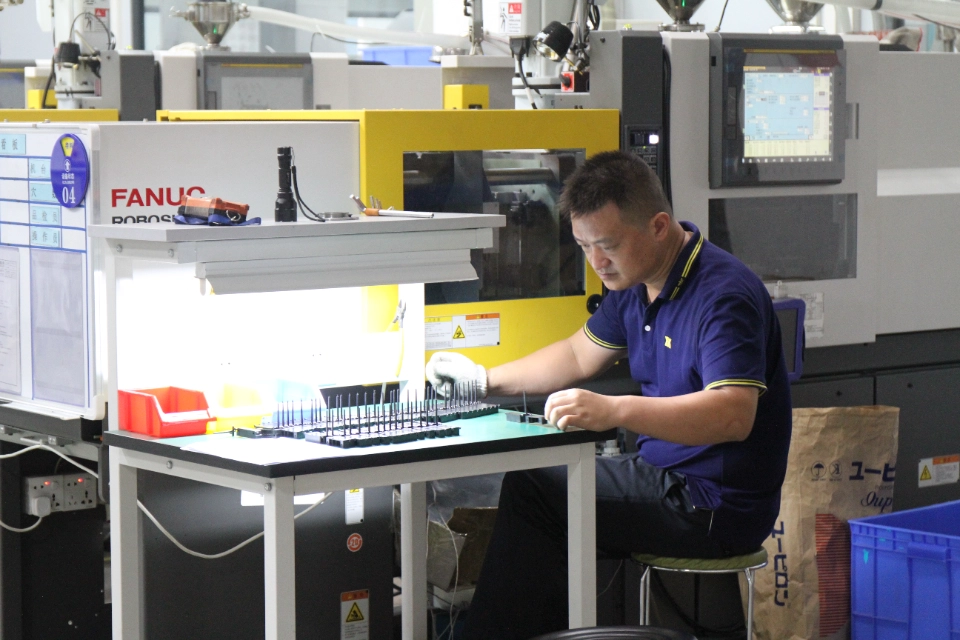


Our injection molding workshop is equipped with a Japanese FANUC ROBOSHOT α-S50iA all-electric injection molding machine. The model designation is clearly visible on the machine enclosure.
The α-S50iA is a 50-ton-class precision injection molding machine. It uses FANUC CNC and servo technology to control injection, plasticizing, mold opening and closing, clamping, and ejection movements. FANUC describes the ROBOSHOT platform as an all-electric system developed for precise and stable molding.
This machine forms part of our in-house plastic molding capacity and is used for mold trials, process development, sample verification, and repeat production of small precision plastic components.
Key Advantages
- Stable injection control
- Precise servo movement
- Consistent molding cycles
- Clean all-electric operation
- Suitable for precision components
Inspection Capabilities
The inspection process combines two complementary methods.
Visual inspection is used to evaluate the overall condition of each component, including:
- Shape and dimensional appearance
- Surface uniformity
- Color consistency
- Visible particles or contamination
- Deformation and molding marks
- Flash, burrs, or incomplete edges
- Cracks and obvious surface damage
Digital microscope inspection provides magnified observation of smaller features that may be difficult to evaluate with the naked eye. It is mainly used to check:
- Fine particles and residues
- Small scratches or surface marks
- Edge and hole integrity
- Micro-burrs and local flash
- Gate-area condition
- Fine cracks or molding defects
- Internal grooves and detailed features
The microscope displays an enlarged image on a monitor, allowing inspectors to review component details more clearly and document questionable areas when further evaluation is required.
Typical Components
The inspection area supports quality control for:
- PFA rings and fittings
- Precision fluoropolymer components
- Sealing and connection parts
- Components with internal flow paths
- Small injection-molded parts
- Semiconductor-related plastic components
- Parts requiring controlled surface cleanliness
Suitable fixtures and clean handling methods are used to reduce direct contact, surface damage, and secondary contamination during inspection.
Quality Inspection Workflow
A typical inspection sequence may include:
- Cleanroom transfer and component identification
- Initial visual inspection
- Digital microscope examination
- Defect classification and recording
- Separation of acceptable and nonconforming parts
- Cleaning or reinspection when required
- Controlled packaging and final release
Components with visible defects or uncertain surface conditions are separated for additional review. Inspection findings can also be communicated to molding, tooling, cleaning, and quality teams for process adjustment.
Role in Our Manufacturing Process
Quality inspection in the Class 1,000 PFA workshop connects precision injection molding with cleaning, packaging, and final quality verification. By completing visual and microscopic inspection within the controlled area, cleaned or inspected components do not need to be repeatedly transferred through uncontrolled production environments.
Inspection results can support adjustments to:
- Injection molding parameters
- Mold surface condition
- Gate and parting-line design
- Demolding methods
- Cleaning procedures
- Handling and packaging processes
The workshop shown represents our in-house inspection capability for precision PFA components. Actual inspection criteria are determined according to component geometry, surface requirements, cleanliness specifications, drawings, and customer quality standards.
Contact Information
-
 [email protected]
-
 +86 13342660375Telephone
-
 Address
No. 62, Jinghai East Road, Shatou Community, Chang' an Town, Dongguan City, Guangdong Province, China
Address
No. 62, Jinghai East Road, Shatou Community, Chang' an Town, Dongguan City, Guangdong Province, China
 Schedule a Home Visit
Leave us a Message
Have questions or need assistance? Get in touch with us, and we’ll be happy to help!


